Contents 7
- Coperto, servizio and pane: what they are, and are they legal?
- Rome: coperto is banned, yet it still turns up
- Restaurants: how to read the bill and what to add
- Bars: at the counter, at a table, and a coin on the receipt
- Taxis, guides, gondoliers, hotels: who gets what
- How to tip by card
- Phrases for the bill
Coperto, servizio and pane: what they are, and are they legal?
An Italian bill can carry three lines that visitors mistake for a tip. Only one of them really is one.
- Coperto — literally “cover”. A charge for sitting down at the table: tablecloth, cutlery, usually bread. It is per person, most often EUR 1.50–3, sometimes more in tourist spots. It is not a tip and has nothing to do with how well you were served.
- Servizio — a service charge, usually a percentage of the bill. If it is there, that is your tip, just announced in advance. There is no need to add anything on top.
- Pane — bread as a separate line, sometimes paired as “pane e coperto”.
There is no single national law on coperto in Italy. The general rule is that anything that ends up on the bill must be shown on the menu or price list beforehand. If it is, coperto and servizio are lawful and there is no point arguing. That is how it works in Venice, Florence, Milan and most other places. Rome is the exception.
Rome: coperto is banned, yet it still turns up
The Lazio region, which includes Rome, banned coperto by regional law back in 2006. That law has since been replaced, but the ban survived: it now sits in Lazio’s consolidated trade code, Regional Law No. 22 of 6 November 2019. Article 75 says plainly that food and drink outlets may not make any extra charge for coperto. Under Article 85 of the same law a breach can cost the business a fine of EUR 2,500 to EUR 7,500, enforced by the city council.
The same Article 75 contains three more rules that are useful to families:
- Prices before you order. With table service, the priced menu must be in your hands before you order, and any service charge must be shown on it. Servizio is legal in Rome — but only if it is declared in advance.
- No service charge on a set menu. A fixed-price menu (menù a prezzo fisso, the classic “tourist menu”) may not carry a service charge at all, and everything it includes must be listed.
- Free toilets for children. If a venue charges non-customers to use the toilet, the price must be on a sign, and it may not charge minors or people with disabilities.
In practice a coperto line still appears on Roman menus — the local press and consumer groups have been writing about it for years. More often it is renamed: “pane”, “pane e coperto” or “servizio”. Bread is an ordinary product: if it was brought to you and the price is on the menu, charging for it is lawful. “Pane e coperto” as a single line is a grey area. Consumer publications give simple advice: if you do not want bread, say “senza pane, grazie” straight away, and you will not have to pay for it.
Arguing over EUR 2 with a tired child on your lap is rarely worth it. But the rule is worth knowing when a coperto of EUR 4–5 per head suddenly appears on the bill, including for the toddler in the high chair: you are entitled to ask what the line is for and to ask for it to be removed. How to tell a proper Roman trattoria from a tourist trap is covered in our guide to where to eat with children in central Rome.
Restaurants: how to read the bill and what to add
In Italy the bill does not arrive by itself; you have to ask for it: “Il conto, per favore”. Then there are three steps.
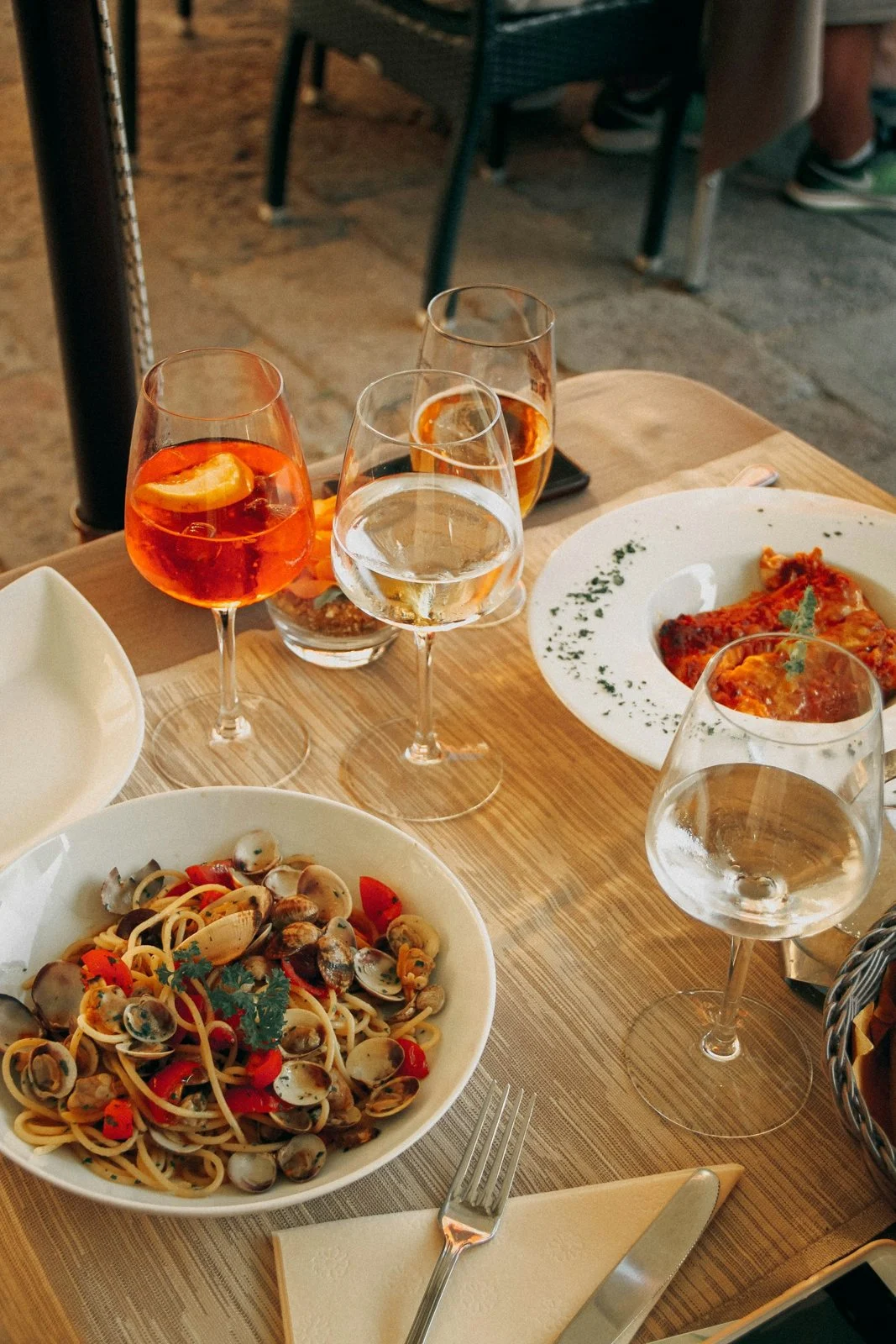
- Look for servizio on the bill. If it is there, the tip is already paid. Leave nothing more, except perhaps the small change.
- Only coperto or pane. Neither is a tip. If you enjoyed it, round up: EUR 47 becomes EUR 50.
- Neither line is there, and the waiter brought your child plain pasta with no sauce and split a portion in two — leave 5–10% in cash on the table. Hardly anyone in Italy leaves more than 10%, and no waiter expects an American-style 20%.
With children, bear one thing in mind: coperto or pane is usually charged for everyone sitting at the table, children included. If your little one is eating off your plate, ask when you order whether they will be counted — it is a perfectly normal question. And for what to budget for food each day and what pizza or pasta costs in the centre, see our breakdown of how much money to take to Rome.
Bars: at the counter, at a table, and a coin on the receipt
Italian bars have a rule of their own: the same cup of coffee costs one price at the counter (al banco) and another at a table (al tavolo). This is lawful, and both prices must be on the price list inside the bar. An espresso at the counter in Rome costs around EUR 1.20–1.50; at a table on a square the same coffee can cost several times as much. At a table you are paying for the seat and the waiter, so no tip is needed on top — rounding up is enough.
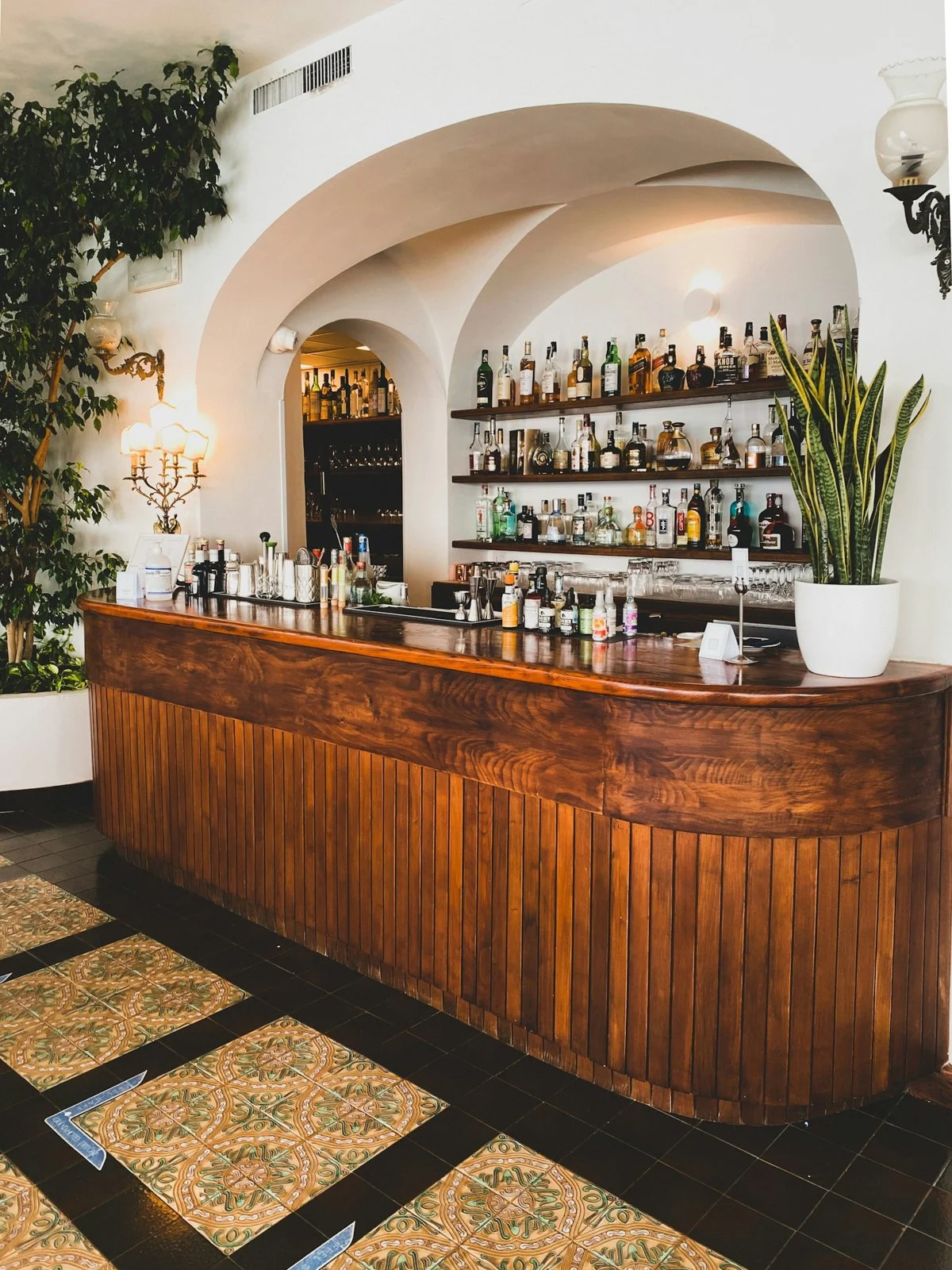
At the counter the routine is this: in many bars you pay at the till first, get a receipt — the scontrino — and take it to the barista. Italians often put a 10–20 cent coin on the receipt. It is not an obligation, just a courtesy. And do not carry a coffee bought at the counter over to a table: you may be charged the table price. If you want to sit down, ask first.
A bar’s toilet is usually for customers, and the simplest “ticket” is to buy your child a bottle of water or a juice. And in Rome, as mentioned above, even a pay toilet for non-customers may not charge children.
Taxis, guides, gondoliers, hotels: who gets what
| Who | Is a tip expected? | Guide amount |
|---|---|---|
| Waiter, servizio on the bill | no | nothing |
| Waiter, no servizio | not required | round up or 5–10% |
| Barista at the counter | no | 10–20 cents on the receipt |
| Taxi | no | round up to the nearest euro |
| Hotel porter | optional | EUR 1–2 per suitcase |
| Housekeeping | optional | EUR 1–2 per day |
| Guide on a private tour | optional | up to you |
| Guide on a “free” tour | yes — it is the payment | whatever you think is fair |
| Gondolier | no | the fare covers everything |
Taxis. Drivers do not expect a tip; leaving the change up to the next euro is fine. From Fiumicino airport to central Rome there is a fixed fare of EUR 55 per car, not per person, and the same at night. There is no need to round it up to 60; if the driver helped fold the pushchair and load the cases, a couple of euros is a nice thank-you. Other ways in from the airports, with prices, are in our guide to getting from Rome’s airports to the centre. If you plan to pay by card, say so as you get in.
Guides. Tipping a guide in Italy is not obligatory — on a group tour or a private one. If the guide kept your child engaged for three hours straight and you want to say thank you with more than words, leave some cash at the end; the amount is up to you, and there is no going rate. Tours sold as free (“free tours”) work differently: the guide works for whatever people give at the end, so leaving money there is in effect paying for the tour.
Gondoliers. Gondola fares in Venice are set by the city council: EUR 90 for 30 minutes by day and EUR 110 for 35 minutes in the evening, for the whole boat. No tip is expected on top. A song is not included in the fare, and if a gondolier starts singing without any agreement and then asks for extra, you are not obliged to pay. The full picture is in our guide to gondola prices in Venice. On the traghetto, the gondola ferry across the Grand Canal, you pay EUR 2 per person and no tip.
Hotels and apartments. A porter who carries your cases up usually gets EUR 1–2 per case. Leaving money for housekeeping is more a habit of international hotels than an Italian tradition: you can, but no one will be offended if you do not. In a rented apartment there is no one to tip. And do not confuse tips with the tourist tax you are asked for at check-in: it is a city levy, it is compulsory, and it has nothing to do with service.
How to tip by card
You can pay by card almost everywhere in Italy, but Italian card machines rarely show an “add a tip” screen the way American ones do. There are three ways that work.
- Ask before you pay. Tell the waiter: “Può aggiungere cinque euro di mancia?” — “Could you add five euros as a tip?” They will key the total, tip included, into the machine.
- Pay the exact bill by card and leave the tip in coins on the table. Italians do the same.
- Say no to paying in your home currency. If the machine offers to charge you in your card’s currency rather than euros, choose euros: on-the-spot conversion almost always costs more.
A detail that rarely gets mentioned: since 2023 Italian law has spoken explicitly about tips, including those left by card. The Budget Law No. 197 of 29 December 2022 (Article 1, paragraphs 58–62) treats money that hotel and restaurant customers leave for staff “including by electronic means of payment” as the worker’s income, taxed at a reduced rate of 5%, and requires it to be passed on to the staff. How a given venue shares out the pot is impossible to check from outside. So if you want to thank a particular person — the waiter who fussed over your child, or the guide — cash in hand is the more reliable route.
Keep a few EUR 1 and EUR 2 coins in your purse; they cover almost every case in the table above. Children, by the way, usually love putting the coin on the bill tray themselves: a small ritual that teaches them to say thank you without words.
Phrases for the bill
- Il conto, per favore — the bill, please.
- Il servizio è incluso? — is service included?
- Senza pane, grazie — no bread, thank you.
- Posso pagare con la carta? — can I pay by card?
- Tenga il resto — keep the change.
We run children’s quest tours in Rome — all our routes are on the page tours in Rome.
Frequently asked questions
Do you have to tip in Italy?
No. It is neither an obligation nor part of the price. Italians usually round up the bill in a restaurant and leave a coin or nothing at a bar counter. If the bill already includes servizio, a service charge, there is no need to add anything on top.
How much should you tip in a restaurant in Italy?
If there is no servizio on the bill and you were happy, round up or add 5–10%. Italians very rarely leave more than 10%. If servizio is there, the tip has already been paid.
What is coperto on an Italian bill?
A per-person charge for your place at the table, the table setting and usually bread, most often EUR 1.50–3. It is not a tip. It is lawful only if shown on the menu before you order, and in Rome and the rest of Lazio it is banned.
Can restaurants in Rome charge coperto?
No. In the Lazio region, which includes Rome, Article 75 of Regional Law No. 22 of 6 November 2019 expressly bans any extra charge for coperto, and the fine for a restaurant is EUR 2,500 to EUR 7,500. Charging for bread or for service is allowed if it is shown on the menu in advance.
Should you tip in an Italian bar?
Not at the counter, although many people leave 10–20 cents on the receipt. At a table your coffee already costs more than at the counter — you are paying for the seat and the waiter — so rounding up is plenty.
Do you tip guides and gondoliers in Italy?
Only if you want to; there is no obligation. The gondola fare is set by the city and covers the boat and the oarsman, and no tip is expected on top. You can give a private guide some cash if you enjoyed the tour, in whatever amount you choose. The exception is “free” tours, where the money at the end is the payment.
Can you tip by card in Italy?
Yes, but card machines rarely offer a tip button. Tell the waiter before you pay how much to add, and they will key in the total. Since 2023 Italian law has explicitly treated card tips as the worker’s income, but if you want to thank a particular person, cash in hand is more reliable.