Rome is not the most expensive city in Italy, but it has several places
where a visitor overpays simply for not knowing the rule. Below are the
current prices for 2026 and three of those rules.
What things cost
| What | Price | Note |
|---|---|---|
| Espresso at the bar | EUR 1.20 — 1.50 | at a table it is 2–4 times more |
| Cappuccino | EUR 1.50 — 2 | Italians do not drink it after 11 am |
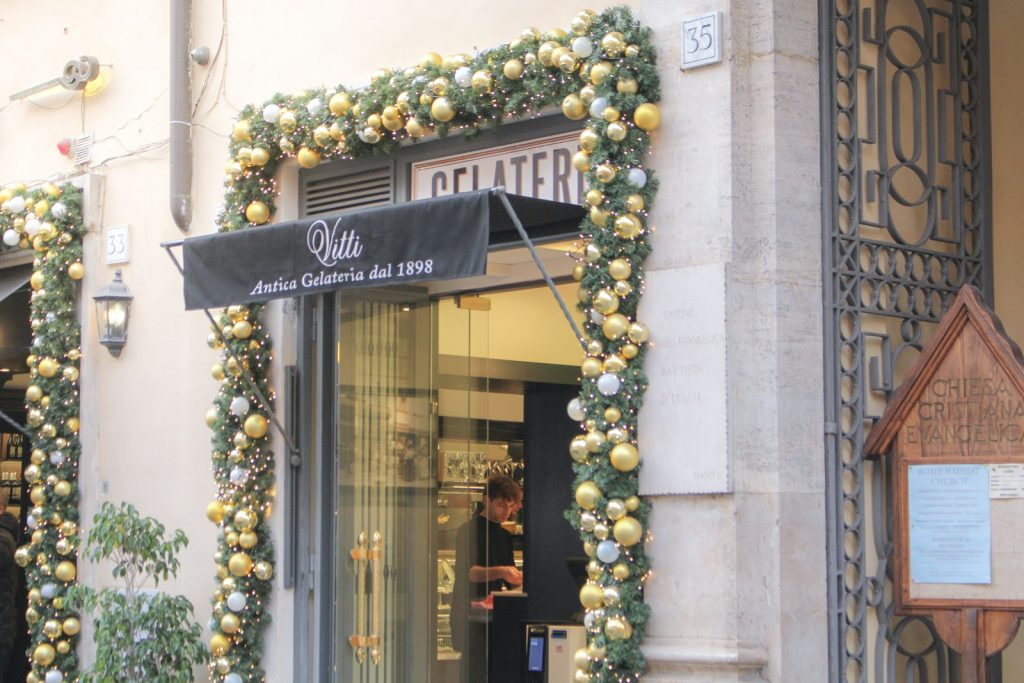
| Gelato, small | EUR 3 — 4 | by the main squares, from 5 |
| A slice of pizza al taglio | EUR 3 — 5 | sold by weight, which is normal |
| Pizza in a trattoria | EUR 8 — 12 | plus coperto per person |
| Lunch for a family of four | EUR 50 — 70 | two blocks off the square it is half the price |
| Bottle of water in a shop | EUR 0.5 — 1 | by the Colosseum the same bottle is EUR 3 |
| Transport ticket | EUR 1.50 | free for children under 10 |
| Colosseum with the Forum | EUR 18 | free under 18, but a ticket is still needed |
| Pantheon | EUR 7 | up from EUR 5 on 1 July 2026, free under 18 |
The tourist tax: count it separately
This is the line that usually misses the budget and then demands cash at
reception.
Rome charges a city accommodation levy: EUR 3 to 10 per person per
night, depending on the category of accommodation. In apartments, rented
flats and B&Bs it is EUR 6. It is charged for a maximum of ten
consecutive nights, after which it stops.
Children under ten are exempt. But — and this matters — the
exemption does not apply itself: you have to mention it at check-in, and
the host must record and keep the details. Say nothing and it will be
charged for everyone, babies included.
A family of four with two children under ten, five nights in an
apartment: 2 × 6 × 5 = EUR 60 instead of 120. The difference is worth one
sentence at check-in.
Three places where everyone overpays
1. Coffee at a table. In Italy the price at the bar and the price
at a table legally differ, and the difference is shown on the price list. An
espresso at the bar is EUR 1.20–1.50; the same espresso at a table on a
square is EUR 5–6. You are paying for the seat, not the coffee.
2. The first café by a monument. The rule works across the centre:
walk two or three blocks away from the square and the price halves while the
food improves. A menu in six languages with photographs of the dishes is a
reliable sign you are in a tourist trap.
3. Water. Rome has more than two thousand drinking fountains —
nasoni, cast-iron columns with constantly running water. The water is
drinkable and free. A reusable bottle for the family saves more over a week
than you would think: half a litre by the Colosseum costs EUR 3.
Tips and coperto
Tipping in Italy is not compulsory. Instead the bill usually carries
coperto — a charge for the table, cutlery and bread, EUR 1.5–3 per
person. It is not a scam or a “tourist surcharge”: local places charge it
too, and it must be stated on the menu.
If there is a coperto on the bill, nothing needs to be added on top —
rounding up is enough. If there is none and the service was good, 10% will
be a pleasant surprise, but nobody expects it.
Card or cash
Cards work almost everywhere: shops, museums, transport and the metro
gates. Keep cash for three things: the tourist tax in apartments, small
markets and change in family trattorias where the terminal occasionally
“does not work”.
Keep cash in two places rather than one wallet. The reason is mundane: in
the crowds by the main squares and on metro line A there are pickpockets,
and that is the only real threat to your money in Rome.
A day’s budget for a family of four
Two adults and two children, accommodation excluded:
- Breakfast at a bar (coffee and a cornetto standing) — EUR 10.
- Lunch in a trattoria away from the square — EUR 50.
- Gelato and water — EUR 15.
- Transport, two journeys per adult — EUR 6.
- A simpler dinner, pizza al taglio — EUR 20.
About EUR 100 a day without entry tickets. One paid site a day
adds EUR 40–60 for the family — and that is the upper estimate, because
under-18s enter state museums free.
And remember that a good part of Rome costs nothing at all: entry to St
Peter’s is free, all the squares are free, and at the Trevi Fountain
only going down to the
basin now costs, and that is EUR 2.
Rome city council decision, ticket prices on the official sites, and food
prices are averages for the centre as at the date of checking. Food rises
faster than tickets: if you are reading this a year later, add 10–15%.