Contents 6
North: a convenient place to start
Piazza del Popolo — a large square with an obelisk and two almost identical churches. Free, ten minutes. A convenient place to start the day: from here everything runs downhill and towards the centre.
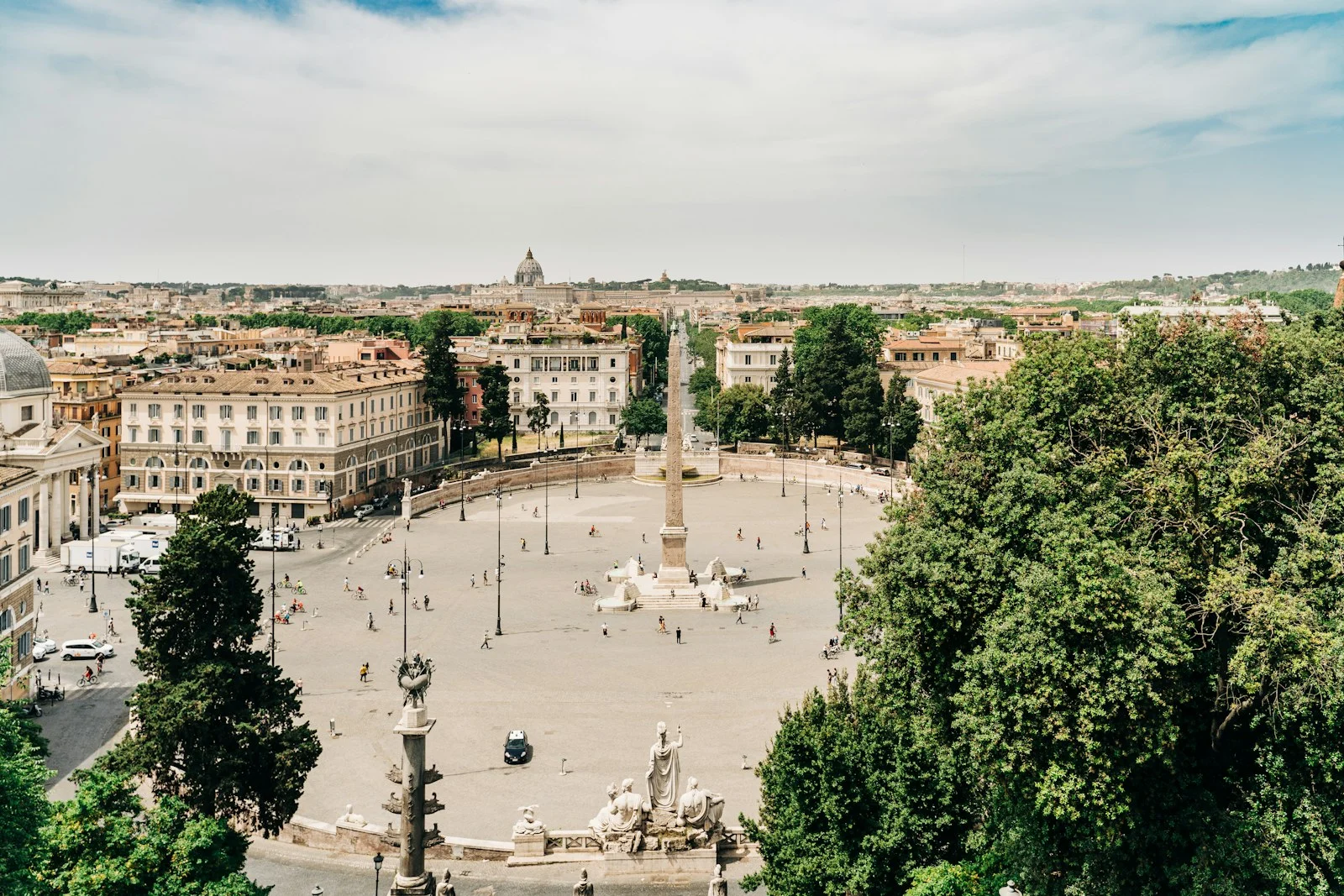
Villa Borghese — the park above the square. Free, and the only place on this list where a child can simply run about. The Borghese Gallery is inside the park, but its tickets go a month ahead.
The Spanish Steps — 135 steps, free, fifteen minutes. The thing to know in advance: you may not sit on them, and it is fined. A child will sit down within a minute, which is a fair reason not to take them there in the heat.
The centre: three places five minutes apart
The Trevi Fountain — since February 2026 going down to the basin costs EUR 2 per person, while the view from the square remains free. Covered in detail separately: why the Trevi Fountain started charging and where the coins go.
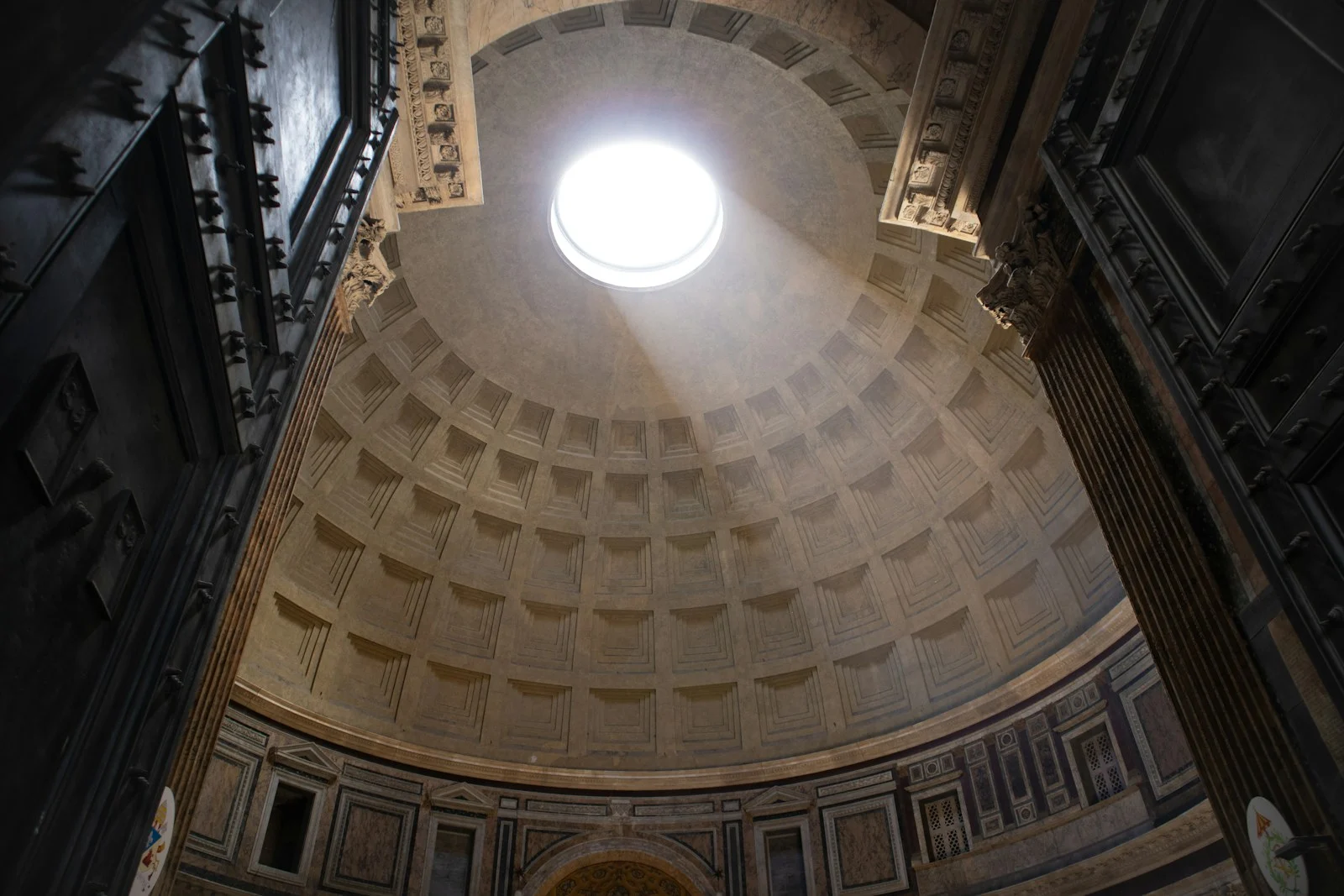
The Pantheon — an ancient temple with an unglazed hole in the dome: the rain comes in and the floor has drains for it. Entry is EUR 7, free under 18. Twenty minutes, and one of the few places children find interesting almost at once.
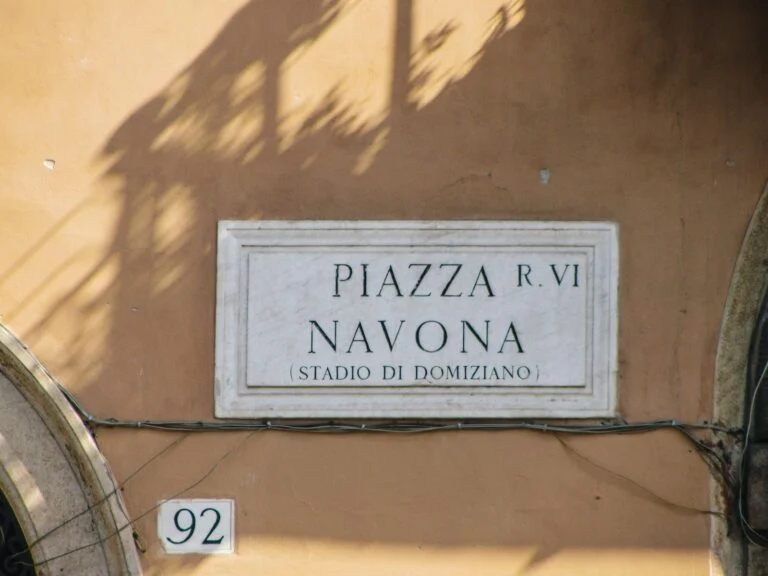
Piazza Navona — a long square on the site of an ancient stadium: its shape is the shape of the running track. Free, three fountains, street artists.
South-east: antiquity
The Colosseum — the point people come for. The ticket is EUR 18, free under 18, but a ticket is still needed. How that works is covered in Colosseum tickets and what they include. Allow two hours together with the Forum.
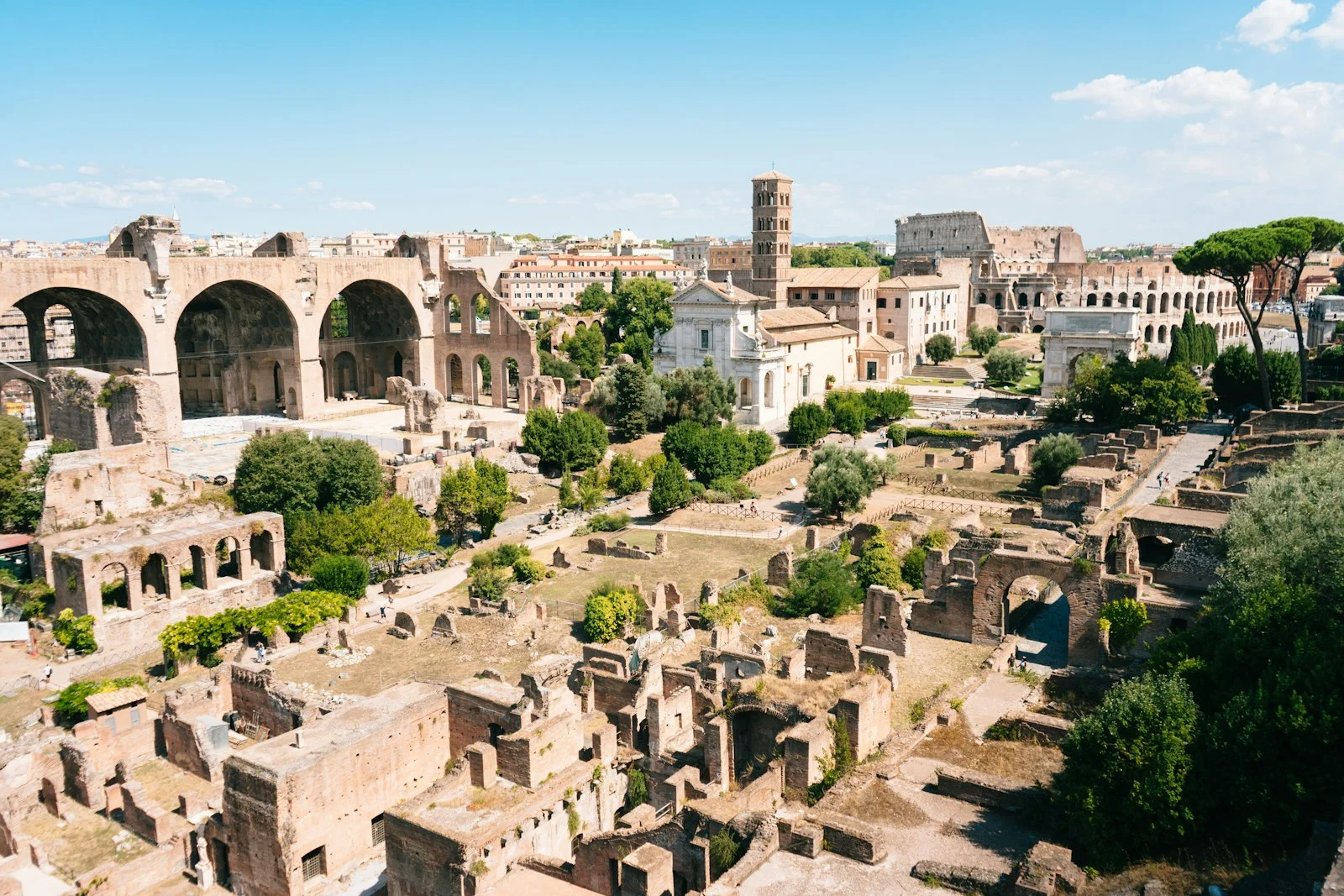
The Roman Forum and the Palatine are in the same ticket. An honest warning here: without explanation it is a heap of stones, and a child gives up in twenty minutes. But the Palatine gives the best free view down over the Forum.
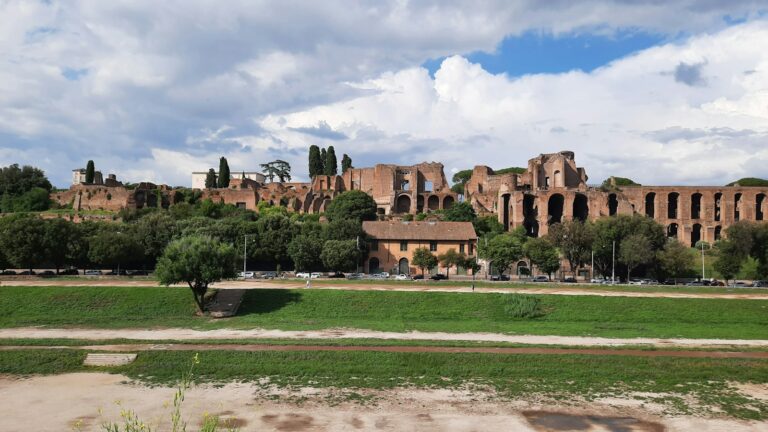
The Circus Maximus — a long field where chariot races were held. Free, not much to look at, but easy to explain to a child: the length of the track, the turns, where the emperor sat.
West: the Vatican and the castle
St Peter’s Basilica — entry is free, and that is the most underrated line in any list. You pay only to climb the dome. The main trap is the dress code: bare shoulders and knees will not get you in.
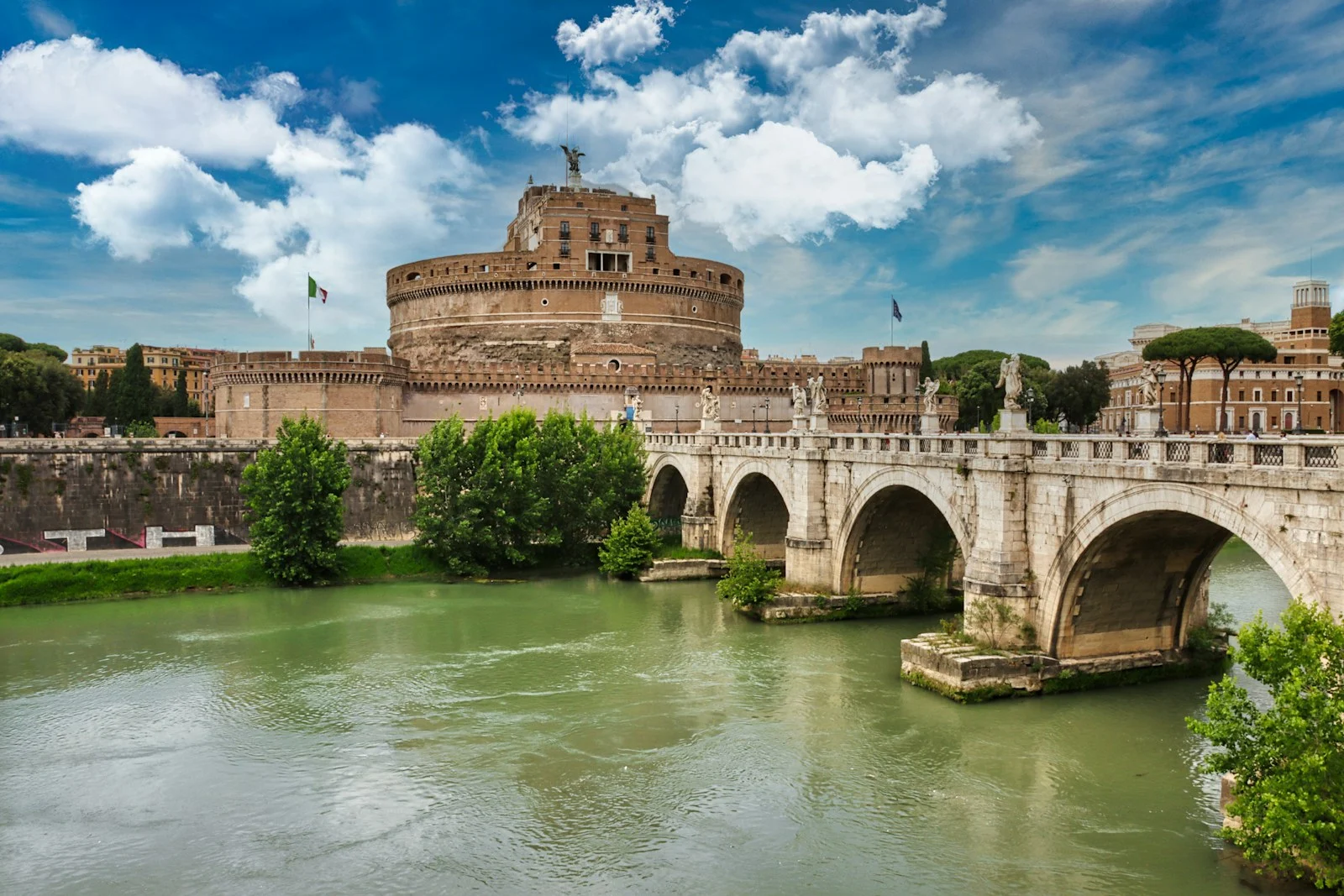
Castel Sant’Angelo — the round fortress by the bridge, once an emperor’s mausoleum. The ticket is EUR 18, free under 18. Of everything on this list children like this place best: a spiral climb, cannons, the secret corridor to the Vatican and the rooftop view.
Trastevere — the quarter across the river that people go to walk and eat in rather than look at. Free, and the right place for the evening.
What costs money and what does not
| Place | Entry | Time needed |
|---|---|---|
| St Peter’s Basilica | free | 1 hour |
| The dome | EUR 8 on foot, EUR 10 with the lift | +1 hour |
| Colosseum, Forum and Palatine | EUR 18, free under 18 | 2–3 hours |
| Pantheon | EUR 7, free under 18 | 20 minutes |
| Castel Sant’Angelo | EUR 18, free under 18 | 1.5 hours |
| Trevi Fountain, down to the basin | EUR 2, free under 6 | 20 minutes |
| Squares, the Steps, Trastevere, Circus Maximus | free | as the mood takes you |
Which of these a child will manage
The grown-up list and the children’s list do not quite match. In our experience it goes like this:
- Almost always works: Castel Sant’Angelo, the Colosseum, the Circus Maximus, the Pantheon, the fountains.
- Works if you tell the story: the Forum, the Palatine, St Peter’s. On their own they are stone and marble.
- Honestly does not work: galleries and the Vatican Museums. That is two or three hours in a crowd plus a queue to get in.
And the main rule of the day: two places before lunch, one after. A third museum in a row is remembered by neither child nor adult.
The quest tour “Formula of Italy”
Three hours through the baroque centre: Trevi, the Spanish Steps, Navona, Piazza del Popolo. Children do not listen to a guide; they hunt for clues on the squares and work out why the city needs so many fountains.
EUR 250 per group of up to 5 · each additional person +EUR 20 · 3 hours · ages 6+ · entry tickets and city fees are paid separately
If antiquity matters more than baroque, there is the two-hour “Time Travel” through the Colosseum and the Forums at EUR 220. All our city routes are on the Rome page.
Frequently asked questions
What should you see in Rome first
The Colosseum with the Roman Forum, St Peter’s Basilica and the Pantheon — the three that appear on every list. After that, as you please: the Trevi Fountain and the Spanish Steps for atmosphere, the Vittoriano for the view, Villa Borghese for a break.
How many days do you need for Rome
Two days cover the three main sights; a relaxed Rome with children takes three or four. In one day you can realistically see the Colosseum, the Forum and the centre, but no museums.
Which sights in Rome are free
St Peter’s Basilica, all the squares and fountains, the Spanish Steps, the basilicas, the lower terraces of the Vittoriano. You pay for the Colosseum, the Forum, the Pantheon, the Vatican Museums and the galleries.
Can you walk round central Rome on foot
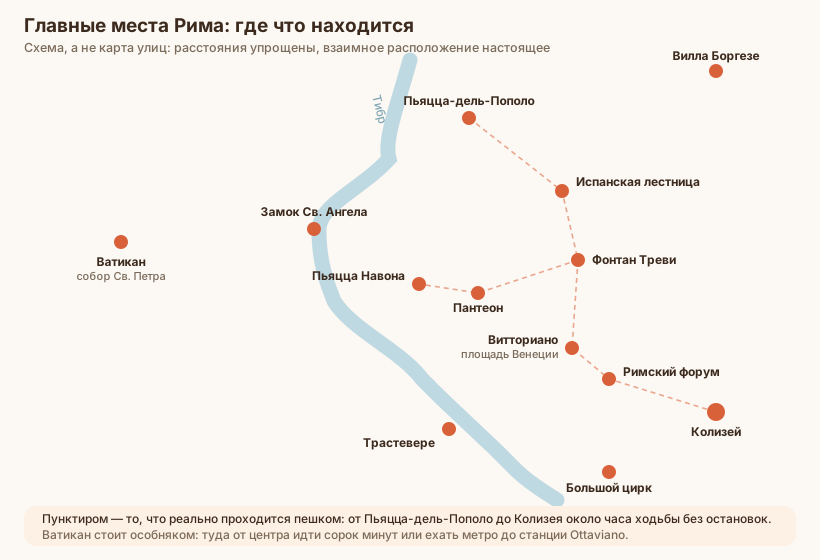
Yes. From Piazza del Popolo to the Colosseum is about an hour’s walk without stops, and it is the one stretch where transport is unnecessary. The Vatican is the exception: forty minutes on foot from the centre, or the metro to Ottaviano.
Which of these will children not enjoy
The Vatican Museums and the galleries — two or three hours in a crowd. A child under ten usually prefers the Colosseum, the Circus Maximus and Castel Sant’Angelo, where there is something to look for.